
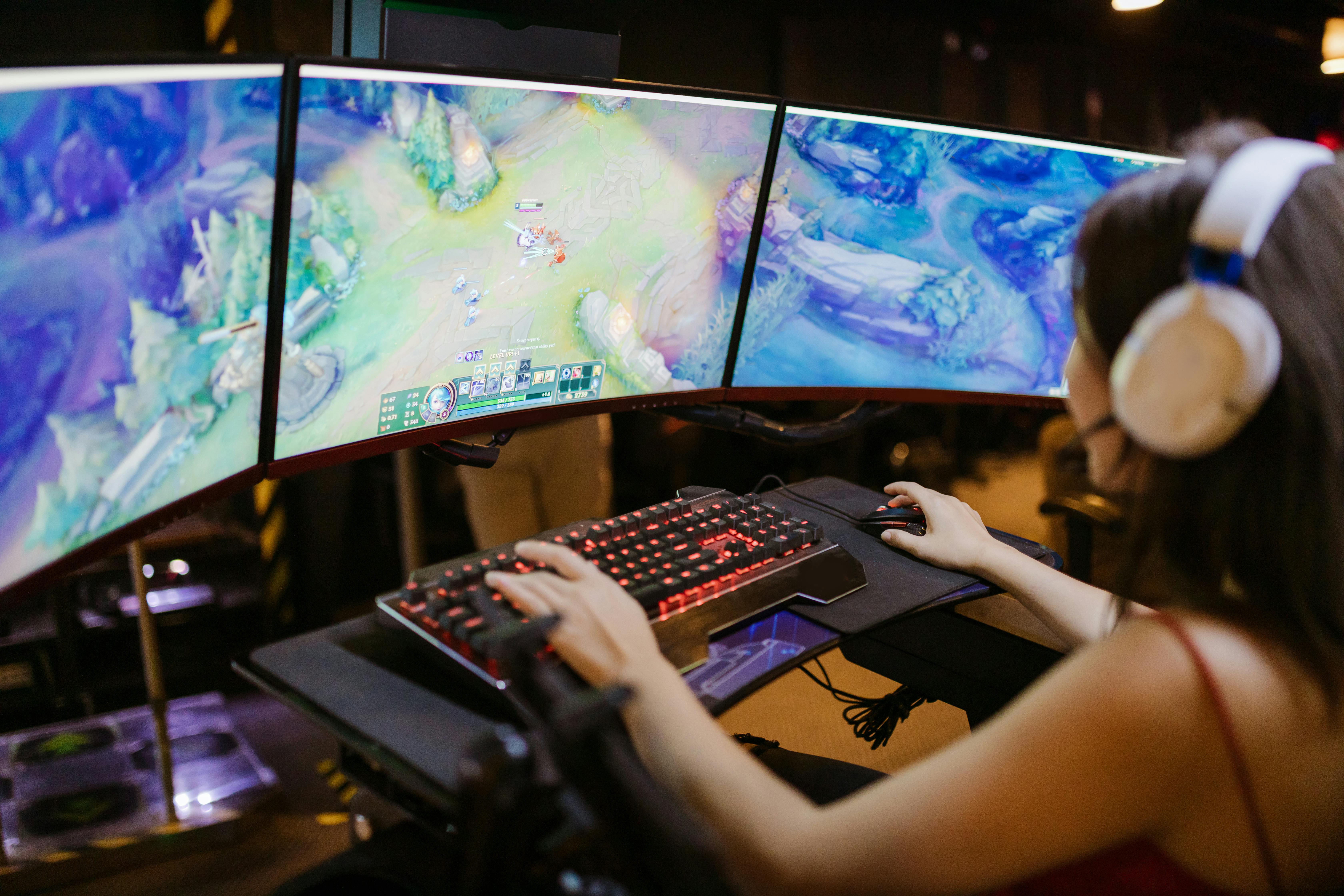
League of Legends has been around for over fifteen years. When it first launched, few people expected a single competitive game to hold global attention for so long. Yet in 2026, Riot Games’ flagship title remains one of the strongest forces in esports.
Its longevity is not just luck. It comes from deep gameplay, a massive international fan base, regular updates, and a production standard that keeps improving. Many early fans are now adults, and League of Legends has become a long-running part of online gaming culture.
The professional scene has also matured. Major LoL events now have the pacing, storytelling, live crowds, broadcast quality, and regional rivalries that fans often associate with traditional sports. That is one of the reasons the game continues to attract players, viewers, organizers, and brands around the world.
The Numbers Behind the Game
The strength of League of Legends esports becomes clear when you look at World Championship viewership. Worlds remains one of the biggest annual events in competitive gaming, consistently drawing millions of peak viewers across international broadcasts.
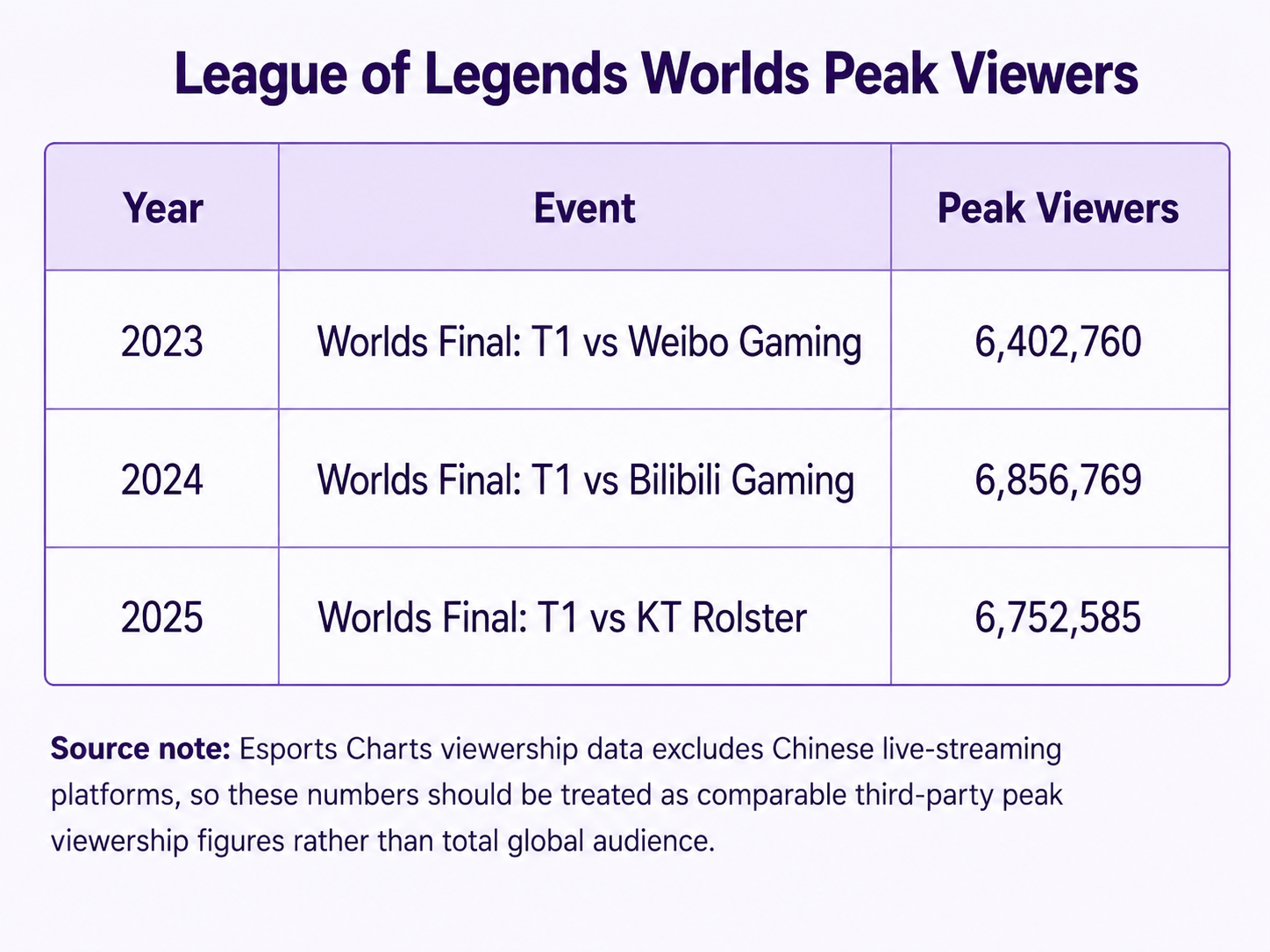
These figures show that League of Legends is not fading. Worlds 2024 set a new LoL esports viewership record, while Worlds 2025 stayed very close to that level. Even when the record is not broken every year, the scale remains exceptional.
The growth of mobile viewing, better internet access, regional leagues, co-streaming, and stronger broadcast production has helped keep the audience engaged. League of Legends stays relevant because it never stands still.
Why the Gameplay Works for Fans
Many games are fun to play but difficult to watch. League of Legends avoids this problem better than most competitive titles. The 5v5 format is simple enough for casual viewers to understand, but deep enough to reward years of knowledge.
A Changing Meta
With over 170 champions, the variety in matches is enormous. Riot updates the game regularly, which means tactics that worked last month may no longer be optimal after a patch.
This forces teams to adapt. Draft priorities change. Item builds change. Champion pools change. A pick that seemed forgotten can suddenly become important again.
For fans, this keeps the broadcast fresh. Every tournament brings new questions: Which region understands the meta best? Which team has the strongest read on the patch? Which player can bring out a surprise champion when the pressure is highest?
Clear Objectives
Summoner’s Rift works well for spectators because its lanes, jungle routes, river, and major objectives create clear points of conflict.
When a team moves toward Dragon, Baron, or Elder Dragon, viewers know something important is about to happen. The tension builds naturally as teams move into position, clear vision, look for flanks, and wait for one mistake.
That structure makes League of Legends easier to follow than many other complex competitive games. Even newer viewers can understand that a fight around Baron may decide the game.
Team Coordination
League of Legends is at its best when it shows what five players can do when they work together perfectly.
A clean engage, a layered teamfight, a coordinated dive, or a perfectly timed “wombo combo” can decide a match in seconds. These moments are easy to understand, exciting to watch, and difficult to execute.
That mix of clarity and depth is one of the biggest reasons LoL esports has stayed popular for so long.
The Shift in Tournament Production
In the early days of esports, running a tournament was much harder than it is today. Organizers needed a lot of manual setup, a large crew, spreadsheets, overlays, capture cards, cables, and a bit of hope that nothing would break during the broadcast.
Today, tournament production is more accessible. With the right workflow and tools, smaller teams can create cleaner, more professional-looking broadcasts.
High-quality production is no longer limited to major studios. Local leagues, school clubs, amateur cups, and independent organizers can now use specialized software to manage tournament data, improve stream visuals, and create a better viewing experience.
Managing the Chaos
Hosting an event involves much more than starting a custom game. Organizers need to manage players, teams, matches, brackets, schedules, stream graphics, HUDs, and broadcast assets.
In the past, much of this work was handled through manual spreadsheets and disconnected tools. That created room for mistakes, delays, and inconsistent information on stream.
Platforms like LHM.gg give organizers a more structured way to manage tournament data, HUDs, overlays, and production workflows in one connected environment.
Instead of relying only on manual updates, organizers can use LHM to manage players, teams, matches, brackets, HUD data, and broadcast elements with less friction. That reduces production pressure and helps teams focus on the quality of the event.
Essential tools for running a successful League of Legends Tournament
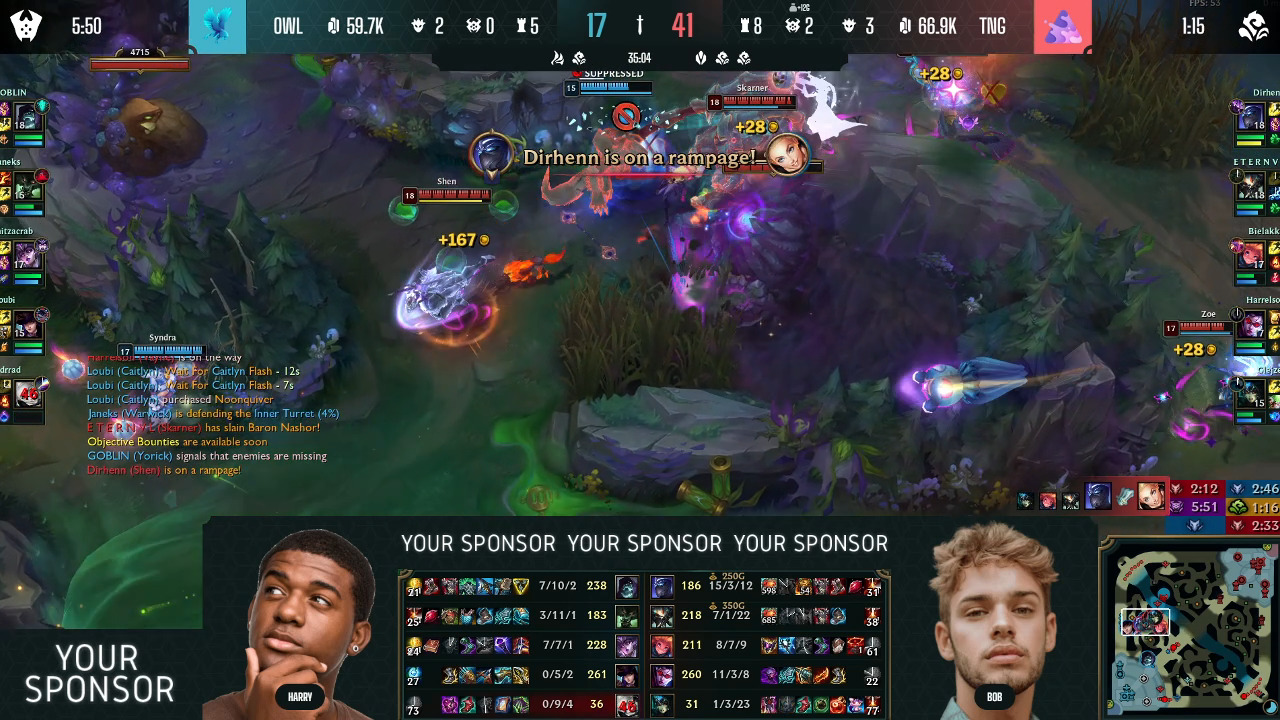
When you watch a professional match from the LCK, LEC, LTA, or another major league, you notice how much useful information appears on screen. Viewers can follow gold differences, team compositions, item progress, objective control, timers, and key moments without needing to inspect everything manually.
For a long time, smaller organizers could not easily create that kind of viewing experience. Their broadcasts often had to rely on the default in-game interface and basic overlays.
That is where tools like Lexogrine HUD Manager, known as LHM, make a difference.
Ultra LoL HUD for a More Professional Broadcast
One of the strongest parts of LHM is its approach to broadcast visuals. The standard League of Legends game interface is built primarily for players. A broadcast HUD needs to serve a different audience: viewers.
LHM helps organizers create custom HUDs and overlays that make matches easier to follow. Instead of forcing viewers to read a busy default interface, the broadcast can highlight the information that matters most.
Organizers can show elements such as:
- Gold difference over time to show how the advantage changed during the game.
- Dragon, Baron, and objective-related broadcast information.
- Team and player data connected to the match.
- Draft overlays with all the necessary data with much more appealing visuals.
- Custom matchbar, player bars with their photos or webcams, dedicated sponsor areas.
- Cleaner spectator-focused visuals for stream audiences.
This can make a local, school, university, amateur, or community tournament feel much more polished. It also sends an important signal to players: their match matters enough to be presented properly.
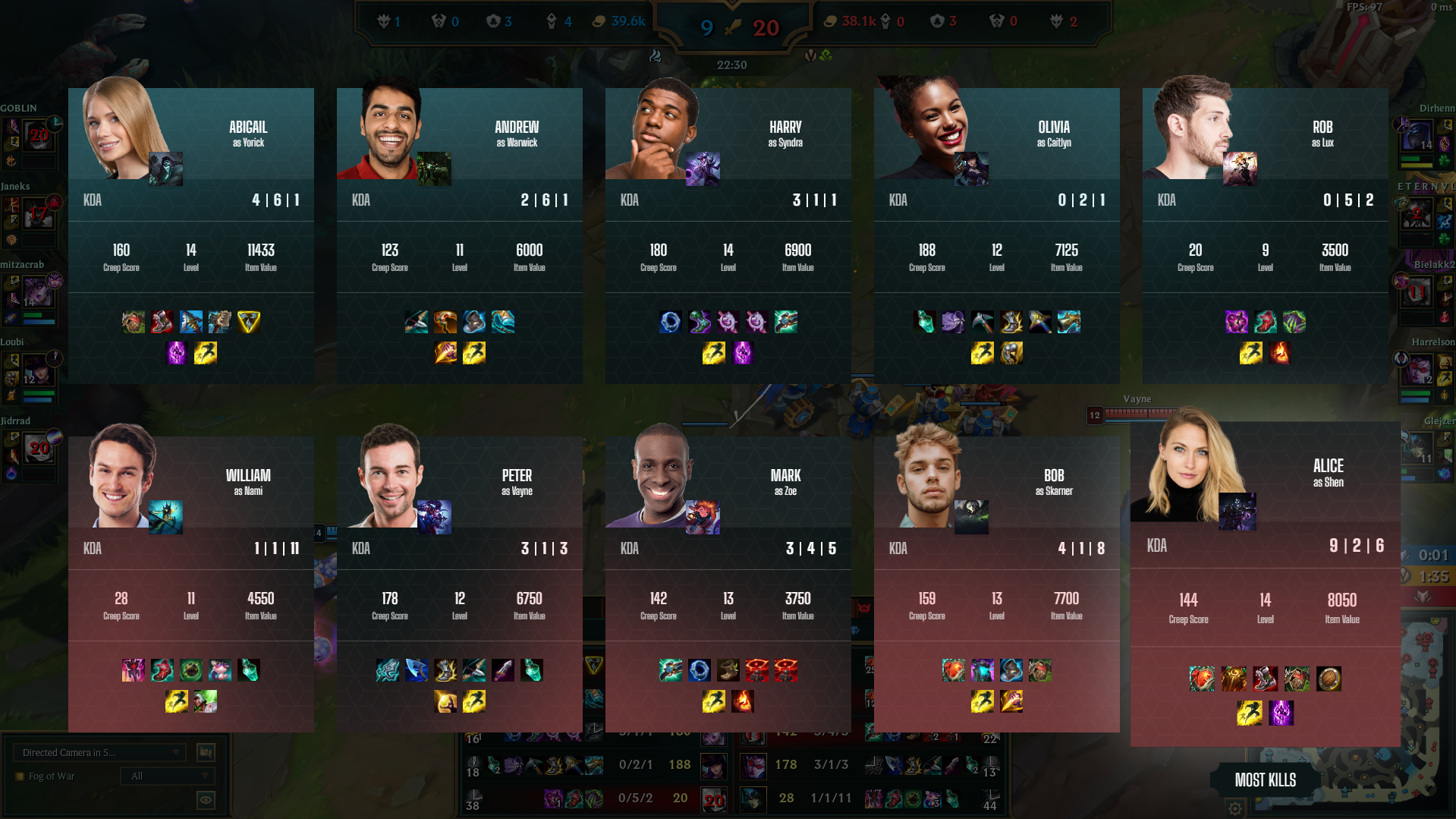
For organizers who want to go beyond a basic spectator overlay, LHM’s Ultra LoL HUD offers a more advanced League of Legends broadcast package. It is designed specifically for LoL esports production and includes dedicated pre-match, draft, match, and post-match overlays, animations, and customizable visual elements. Ultra LoL HUD supports multiple features such as Gold Difference Over Time, Game Timeline, Game Summary, bounty indicators, upgraded scoreboards, MVP screens, sponsor areas, Baron and Dragon timers, alongside additional customization options like color picker that changes layout of each side.
Better Structure for Admins and Organizers
Tournament production becomes much easier when the data is organized.
LHM helps admins manage players, teams, matches, and tournament structures in one place. This creates a more consistent workflow between the tournament side and the broadcast side.
Instead of updating one tool for brackets, another for overlays, and another for match information, organizers can work with a more connected setup. That reduces the risk of inconsistent names, wrong scores, outdated graphics, or missing match data.
For smaller teams, this matters a lot. Even one person managing production can save time when the tournament data and broadcast assets are part of the same workflow.
Working from the Cloud
Modern esports production is often distributed. A tournament might have players in one country, admins in another, commentators working remotely, and production staff joining from different locations.
Cloud-based workflows make it easier for distributed teams to keep HUD settings, tournament data, and broadcast assets consistent across machines and locations.
With LHM Cloud, organizers can work with saved HUD settings and production elements in a more flexible way. This is useful for teams that do not have a central studio or permanent production setup.
For modern tournament organizers, flexibility is not just convenient. It is often necessary.
Lessons from the Pros
If you want to run a successful League of Legends event, it helps to study what major tournaments do well. They do not just show the game. They tell a story.
- Use Data
Do not just say a player is strong. Show why. Use match data, player stats, champion picks, gold differences, objective control, and other broadcast elements to help viewers understand the story of the game.
- Build Hype Between Games
The broadcast does not stop when the Nexus falls. Breaks between games are a chance to recap the best fights, explain draft changes, show key moments, and prepare viewers for the next map.
- Keep the Visuals Consistent
Consistent graphics make a tournament feel more professional. Matchbars, lower thirds, draft overlays, team names, sponsor placements, and HUD elements should all feel like part of the same event.
- Make the Match Easy to Follow
Good production is not only about looking impressive. It is about helping viewers understand what is happening. A clean HUD, clear overlays, and accurate data can make the difference between a confusing stream and an engaging broadcast.
Major events rely on large production teams to get this right. LHM does not replace that entire operation, but it gives smaller organizers access to structured HUD, overlay, tournament, and data workflows that would otherwise require much more manual work.
The Future of the Scene
League of Legends shows no signs of disappearing from the top tier of esports. The game has lasted because it is more than just software. It is a competitive ecosystem, a spectator sport, and a global community.
Riot continues to update the game. Professional teams continue to create new rivalries. Fans continue to follow regional leagues and international tournaments. Local leagues, school clubs, university competitions, and amateur cups also remain an important part of the wider LoL ecosystem.
At the same time, the barrier to entry for organizers is lower than it used to be. You do not need a massive studio to start building a strong tournament experience. You need a clear format, reliable operations, good communication, and the right tools.
That is why production software matters. Better HUDs, cleaner overlays, connected tournament data, and cloud-based workflows help smaller events look and feel more professional.
Final Thoughts for Organizers
If you are thinking about starting a League of Legends tournament, league, or community event, now is a strong time to do it.
The audience understands esports. The game is still relevant. The production tools are more accessible than ever. And players at every level want events that make their matches feel important.
By using systems like LHM.gg, organizers can reduce technical friction and focus on what matters most: the players, the storylines, the broadcast, and the fans.
League of Legends has spent more than a decade at the center of esports. With the right setup and a professional presentation, your tournament can become part of that ongoing story.